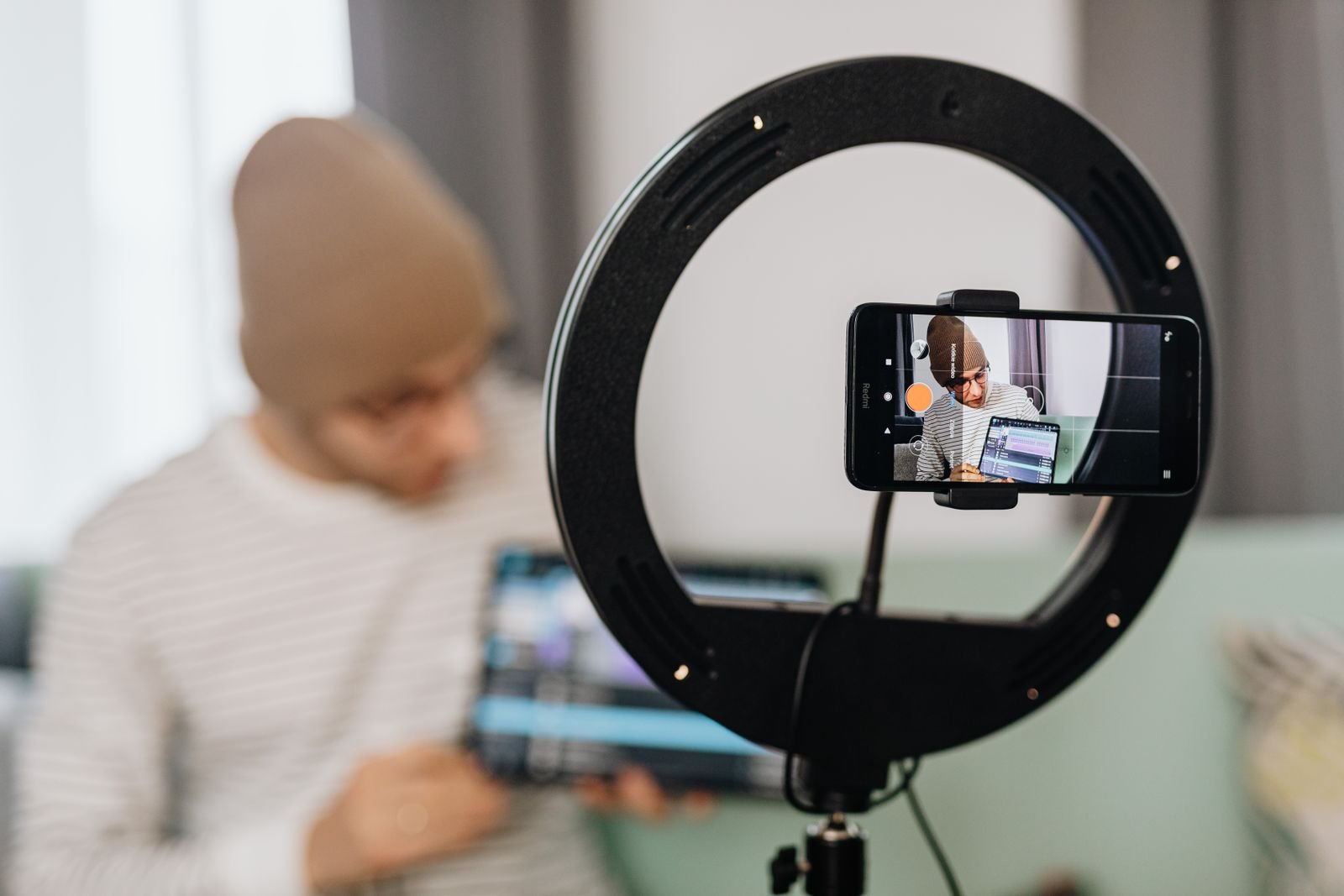
You filmed a 60-second clip on Tuesday. Your shop, your kitchen, your garage, your “here’s what 20 years in this trade taught me.”
It went up on TikTok. Then Reels. Then Shorts. It got a few hundred views, mostly from people half your age who scrolled right past.
Now you’re wondering if there’s a room where grown-ups actually stop and talk back.
Clapper says it’s that room. So I went through what Clapper itself publishes about how to grow on Clapper: how its feed picks videos, what it wants you to post, what its rules say about reposting, and what it keeps to itself. Then I checked what TikTok, Instagram and YouTube say about reused clips, because repurposing means four rulebooks.
Some links in this article are affiliate links. If you buy through them, we may earn a commission at no extra cost to you.



This one’s for you if you’re a creator over 30 or 40, or you run a small business, and you want an audience that sticks around instead of a viral spike that vanishes by Friday. For the money side, read my breakdown of how to make money on Clapper. This piece is about what comes first: getting found and remembered. Clapper doesn’t publish much hard data, so where the facts stop, I’ll say so.
Here’s the line to remember: Fewer posts. More conversations.

Here’s what’s going on with growing on Clapper
Clapper is a short-video and livestream app based in Dallas, founded in 2020 and available in “80+ countries,” according to Clapper’s homepage. It pitches itself as an adult alternative to TikTok, and that’s not just marketing copy. Back in 2023, founder Edison Chen told the Dallas Morning News the average user was between 35 and 55, Tubefilter reported. Chen’s own framing, from the same story: it’s a place where “the parents of TikTok users can express themselves.” A 2022 MarTech Series piece described the app as built for Gen X and Gen Y creators, and quoted Clapper content strategist Oriana Valderrama: “Community is the core value of the Clapper app.”
Those numbers are dated. I found no fresh age breakdown.
How Clapper’s feed actually picks videos
This is the most useful thing Clapper has published all year. In an October 15, 2026 post, “How Discovery Works on Clapper,” Clapper’s Harri Drake lays out the signals the feed watches:
- Watch time and completion
- Rewatches and people coming back
- Comments and replies
- Follows and profile visits
- Live attendance and chat
- Shares
It calls the approach “community-first,” then says the honest part out loud: “We won’t pretend we publish every ranking weight in a public spreadsheet.” So you know the ingredients. You don’t know the recipe.
It also gives a rhythm that’s realistic for someone with a job and a family: “Two solid posts and one Livestream a week beats seven empty streaks.” And “Consistency beats one perfect timestamp,” so stop hunting for the magic hour.
The For You feed is ad-free, per its October 28 post, “Is Clapper a Community-First Platform?” The homepage promises “No follower thresholds. No shadow bans.” Nobody can verify that from outside, but the discovery post at least admits flops are normal.
What Clapper wants you to post
Clapper’s November 4 guide, “How to Post on Clapper,” covers the basics. Videos can run up to about 10 minutes. You can shoot in the app or upload from your camera roll, which matters a lot if you’re repurposing. The built-in editor is free and handles trims, text and sound. Its advice is simple: open with the point, keep one idea per clip, and show a face, your hands, or a real part of your world.
On hashtags, it’s blunt: use tags “that match the actual community you’re talking to, not a wallpaper of twenty random tags.” And my favorite line from the whole Clapper blog: “Imperfect and posted beats perfect and stuck in drafts.”
In April 2026, Clapper launched a native AI video generator that makes 4-, 6- or 8-second clips from a text prompt or a photo, MarTech Series reported. The same story says Clapper had recently added in-app trimming, cropping, speed and text tools, plus Clapper Clubs, interest-based community spaces.
Community norms: what gets you in trouble
Clapper’s community guidelines, updated February 6, 2026, matter more than usual if you’re a business. You can’t “record, copy, repost, rebroadcast, sell, or otherwise use another creator’s content” without permission. You can’t use bots. And you can’t post “unsolicited promotions” or “advertising, or solicitations.” So a feed full of hard-sell ads is a bad idea here, even if it isn’t on Instagram.
What they don’t say matters too: nothing about reposting your own videos from other apps, and nothing about other platforms’ watermarks. No ban, no blessing.
One wrinkle on verification. Clapper’s Blue Check isn’t required to post or go Live. But a May 2025 Clapper blog post co-written with creator Dr. Betty Fortunat, “Spilling the Tea on Clapper Verification,” says reviewers look for original, vertical videos filmed for Clapper, between 6.5 seconds and 3 minutes, with your own voice and no heavy filters. It also says: “What they’re really looking for is an average of 5,000 views across your videos in the last 30 days.” So if you want the check mark, some content needs to be made for Clapper.
Who’s watching where (and why 30+ creators have an opening)
Pew Research doesn’t survey Clapper. But its social media fact sheet, updated October 19, 2026, shows how age shapes the big apps:
| Platform | Ages 18-29 | Ages 30-49 | Ages 50-64 | Ages 65+ |
|---|---|---|---|---|
| YouTube | 95% | 91% | 85% | 65% |
| 69% | 78% | 71% | 59% | |
| 79% | 64% | 41% | 21% | |
| TikTok | 65% | 45% | 31% | 11% |
Share of U.S. adults who say they ever use each platform. Source: Pew Research Center social media fact sheet (Oct. 19, 2026), survey conducted Jan. 30-June 18, 2026. Clapper is not included in Pew’s survey.
TikTok drops from 65% of adults under 30 to 31% of 50- to 64-year-olds, while Facebook peaks with 30- to 49-year-olds. People your age are online, just not all on the youngest app.
And most people don’t post. Pew’s March 2026 roundup on TikTok notes that in a 2023 study, the most active 25% of adult users made 98% of the public videos from U.S. adults. Show up weekly and you’re ahead of most.

Here’s my take on growing on Clapper after 30
Clapper won’t make you famous. It might make you known.
That’s a real difference. On the big apps, you’re up against pro editors and 22-year-olds posting six times a day. On Clapper, the company says in writing that comments, replies, profile visits and Live attendance move you. A 45-year-old plumber or a 52-year-old baker can win on those. You don’t need to dance. You need to answer people.
I also like that Clapper’s own writer says “You don’t have to go viral to find your people,” in its November 24 post on building community. That’s the right expectation.
Now the honest part. I don’t love building on a platform I can’t measure from the outside. Clapper’s homepage doesn’t give a current user count. I couldn’t find any official Clapper page describing creator analytics. Ranking weights aren’t published. Most of the recent growth claims come from Clapper’s own press releases, like an October 2025 EIN Presswire release that said over half of Clapper’s users speak Spanish and that it added more than 2 million users in one week in early 2025. Those may be true. They’re also the company grading its own homework.
And read the license. Clapper’s terms of service say you keep the rights to your content, but you give Clapper a “non-exclusive, royalty-free, worldwide, fully paid, transferable, and sublicensable license” to use it “in all media formats and channels now known or later developed.” Broad, but pretty standard for social apps.
So Clapper is a good second home, not your only home. Repurpose what you already make, use Clapper for the conversations, and move your best people to a list you own.

The repurposing rules: what each app says about reused clips
| Platform | Length | What it says about reused content |
|---|---|---|
| Clapper | Up to about 10 minutes | No reposting other creators’ content without permission. Silent on reposting your own videos from other apps |
| TikTok | Not checked for this piece | “Unoriginal or reused material without anything new” is ineligible for the For You feed |
| Not checked for this piece | Accounts that mostly post others’ content are no longer recommended. Watermarks and borders don’t count as original edits | |
| YouTube Shorts | Up to 3 minutes (vertical or square) | Reused content needs a “meaningful difference” to monetize. Videos that mainly feature you are allowed |
Sources: Clapper blog (Nov. 4, 2026) and community guidelines (Feb. 6, 2026); TikTok Community Guidelines (effective Sept. 24, 2026); Instagram Creators (Apr. 30, 2026); YouTube Help. Rules change often.
TikTok’s integrity and authenticity rules, effective September 24, 2026, also say “You should only post content you created or have the right to share.” Instagram’s creators blog says original content is “work that you wholly created or reflects your unique perspective,” and its original content guidelines list “borders, watermarks, speed changes” as low-effort edits. Instagram head Adam Mosseri put it plainly, as PetaPixel reported: “If most of what you post to Instagram is someone else’s content, your account is no longer going to be recommendable.” I covered what Instagram rewards now in how to make money on Instagram now that it wants long videos.
YouTube’s channel monetization policies say the reused content rule applies “even if you have permission from the original creator,” but list content that “primarily features the uploading creator” as allowed. And there’s a music trap: YouTube’s three-minute Shorts page says a Short longer than one minute with an active copyright claim is blocked worldwide until the claim is resolved.
The good news: these rules target people re-uploading someone else’s work. If it’s your face, your shop and your voice, you’re the original. Just post a clean file, not a download with another app’s logo on it.
What you actually need (and what it costs)
- Clapper itself: free. Its built-in editor is free and “meant to stay simple,” per the posting guide.
- A real editor for repurposing: I’d use CapCut. CapCut’s own Standard vs. Pro comparison, dated November 23, 2026, lists Pro at $19.99 a month or $179.99 a year for individuals, and notes prices vary by region and platform. The free version covers cutting, text, stickers and captions; some AI tools, like the auto caption generator, are Pro. I’d start free.
- A clean export: CapCut’s help page on watermarks says “In most cases, CapCut allows watermark-free exports,” but “Some templates automatically add a CapCut ending clip with a watermark.” So build in the regular editor, or delete that ending clip before you export.
- Your phone, a window and a quiet room. That’s it. Clapper’s guide literally says “All you need is your camera and a good idea.”
How I’d play it: grow on Clapper in 7 steps
If I were starting a Clapper account this week, here’s my order.
Step one: set up a profile that explains you in five seconds. Clapper’s discovery post says to keep a recognizable voice and a bio that says who you are. Write it like a sign on your shop door: “Retired mechanic. Fixing old trucks and answering your questions every Thursday.”
Step two: build one master edit, then cut it for each app. Film once, edit in CapCut, and export a clean vertical file. Keep it under 3 minutes and it fits YouTube Shorts and the verification window Clapper’s blog describes. Upload it to Clapper from your camera roll, and rewrite the caption for each audience.
Step three: make some videos only for Clapper. Reply videos, answers to a commenter’s question, a “you asked, here’s how” clip. These count toward the original, made-for-Clapper content the verification post describes, and they give Clapper’s feed what it says it watches: comments and replies.
Step four: run Clapper’s own rhythm. Two solid posts and one Live a week. That’s from Clapper, and it’s doable on a 9-to-5 schedule. If you’re new to Live, my guide to Clapper LIVE and how gifts work walks through the formats.
Step five: spend more time in the comments than in the editor. Clapper’s community post puts it well: “Posting gives people a chance to find you. Conversation gives them a chance to know you.” Reply to every good-faith comment for the first month, and end each video with a real question.
Step six: if you sell something, sell it the Clapper way. Clapper’s homepage says you can open a store from your profile with “no follower threshold or listing fees.” Clapper’s small business promotion guide suggests behind-the-scenes clips of your process, Shop Live, and follower-only deals. In a November 2025 company press release, Clapper said creators can add external shop links, including Shopify and Etsy, and CEO Edison Chen said “Creators want stability. They want clear, fair rules and the freedom to run their businesses.” That’s Clapper’s own pitch, so check the guidelines before you post a link. If your shop lives on Facebook too, my Facebook Marketplace side hustle guide pairs well with this.
Step seven: keep your own scorecard and your own list. Since I couldn’t find official Clapper analytics docs, track it yourself: views, comments, follows and Live viewers per post, in a simple spreadsheet, for 30 days. Then give your regulars a reason to join your email list. I’d use Kit. If a platform changes its rules, your list doesn’t.
Watch-outs
Company numbers aren’t independent numbers. The 35-55 audience figure is from 2023. The “over half speak Spanish” figure and the 2 million users in a week are from Clapper’s own releases. Clapper’s blog now publishes guides in Spanish, Portuguese and Haitian Creole, which tells you where it’s pushing. Plan for a smaller, more international crowd than TikTok’s.
The age rule is inconsistent across Clapper’s pages. Several 2026 Clapper blog posts say 17+. The U.S. App Store listing rates it 18+. If you’re making content for adults about adult life, that’s fine either way. Just know who could be watching.
Don’t repost other people’s clips. Clapper bans it without permission, and the other three apps bury it or block monetization. On YouTube, watch your music too: claimed Shorts over a minute get blocked.
Don’t sell in every post. Clapper’s guidelines ban unsolicited advertising and solicitations. Show the work. Let people ask.
No guarantees. Clapper’s own guides say growth takes steady effort. For the TikTok side of this plan, see how to make money on TikTok right now.
The bottom line
Clapper has told creators more than usual about how its feed works: watch time, comments, replies, profile visits, Live attendance and shares. It hasn’t told us the weights, the user count or the age breakdown in years. That makes it a smart second home for creators over 30 and small businesses, and a risky only home.
Repurpose what you film, make a few things just for Clapper, go live weekly, and talk to everyone who talks to you.
Fewer posts. More conversations. That’s how an audience turns into regulars.
And when those regulars are ready to buy, you’ll want somewhere to send them that you own: a funnel, automated follow-up and a way to sell your course or service. That’s exactly what we built with The American Side Hustle platform. Earn in USD. Live anywhere.
Tools I’d use for this
- CapCut: build one clean master edit and cut it for Clapper, TikTok, Reels and Shorts.
- Descript: edit talking videos by editing the transcript, handy if you film longer how-to clips.
- Kit: an email list for your Clapper regulars, so they’re not stuck on one app.
Some of these are affiliate links. If you sign up through them we may earn a commission, at no extra cost to you. See all our picks on the Recommended Tools page.
Photos: kaboompics, Gustavo Fring and MART PRODUCTION on Pexels. Graphics: The American Side Hustle. Prices checked on official pages Nov. 24, 2026, and may change.
Ready to build your own American side hustle?
Get funnels, automated follow-up, text-to-pay and courses in one dashboard. Earn in USD, live anywhere.